Photographer Oleksii Harai, known professionally as Sasha Brons, has been working in portrait and fashion photography for more than a decade, combining a minimalist aesthetic with a strong focus on the story each image conveys. Today he lives and works in New York City, collaborates with Marilyn Agency, and photographs models for the international fashion industry while also developing his own documentary projects.
In this interview, Sasha Brons talks about his path into photography, the development of his visual style, his work with models, and the particular dynamics of the fashion market in the United States.
How did you start in photography, and what inspired you to take this path?
I’ve been in photography for more than 12 years. I think my family played a big role in leading me to it: my parents are musicians, one of my grandfathers was a composer, and the other was an orchestra performer. For me, photography is another form of art — a visual one.
How would you describe your visual style, and what shaped it?
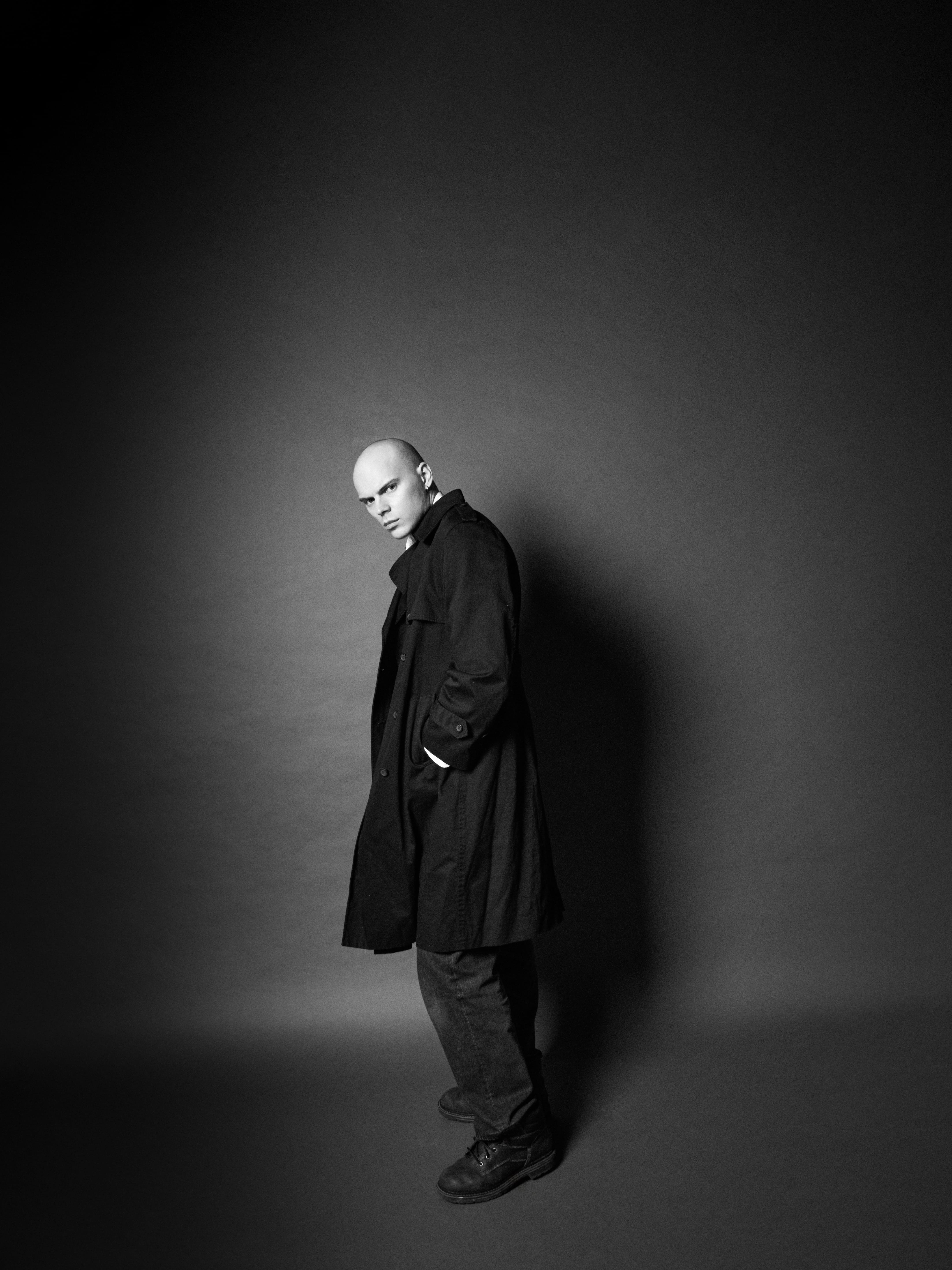
My style is often described as “clean.” It’s minimalism, where the main focus in the frame is the subject, with very few extra details. Every shot should tell a story, not just be a beautiful image. I’m inspired by the work of Peter Lindbergh and Patrick Demarchelier.
Which photoshoots or projects have been the most emotionally meaningful to you?
Every shoot is something special. But I believe my most important project is still ahead of me. One of the projects that means a lot to me emotionally was a photoshoot with pianists Pavel Kolesnikov and Samson Tsoy at Carnegie Hall for Gagosian Magazine. That was a moment when my musical background intersected with photography.
Right now, I’m working on a large project about Ukrainian migrants in the United States who were forced by the war to leave everything behind and start their lives from scratch. I’m collecting stories that inspire people not to give up and to keep moving forward despite all the challenges.
Another important direction for me is contributing to the development of the fashion industry in the United States. Through my photography at Marilyn, I work with internationally known models such as Vanessa Romo, Calum Harper, Leila Goldkuhl Masterson, and Ana Plisnic, helping to develop and reveal their talents.
What is most important for you in portrait photography: emotion, light, or composition? Why?
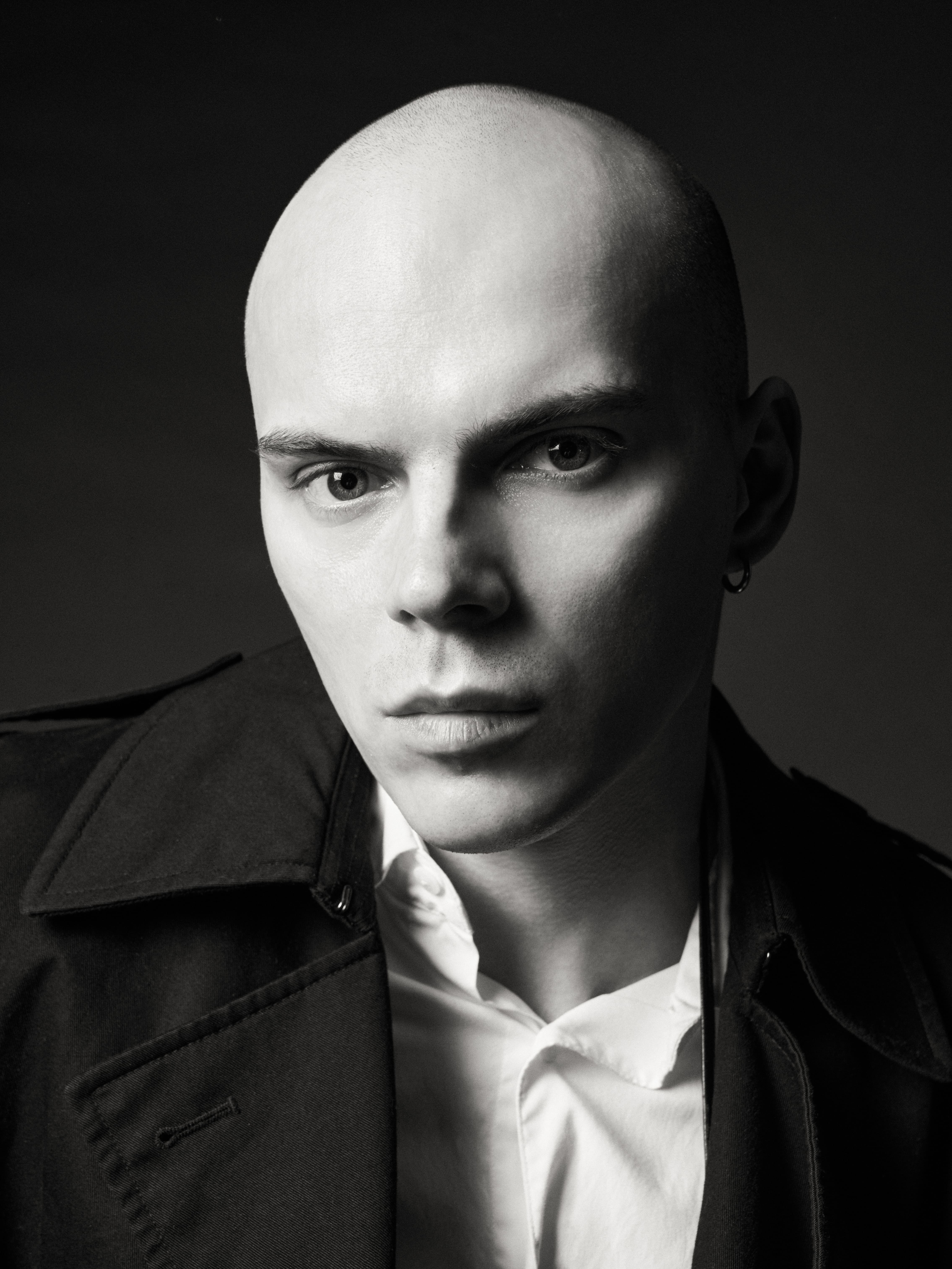
The most important thing for me is meaning. Every shot should carry its own story. Light and composition are tools that strengthen emotion and add deeper meaning to the image. For me, a portrait is a dialogue, not just a beautiful picture.
What challenges do you most often face during shoots, and how do you overcome them?
By nature, I’m a rather reserved person, an introvert. At the same time, I understand that without communication it’s impossible to create a deep portrait. So, during shoots, I try to open up with the models, honestly sharing my emotions and my vision. Overcoming this inner barrier is difficult for me, but at the same time, it’s a very valuable part of the creative process.
My experience working in Europe and in the United States has also shaped my approach. The professional environment can be different, but the ability to connect with people and build trust remains essential everywhere.
How do you work with the subjects of your shoots so they feel natural in front of the camera?
I can share a few personal insights that I’ve developed over the years, which might be useful for other photographers.
First, everything starts with the goal and the idea — whether it’s a story for a magazine, images for an exhibition, or emotional portraits for a personal portfolio. The next step is creating a moodboard, selecting clothing, and choosing a location. It’s also important to think about the overall atmosphere we want to bring into the photo.
Very often I already see the frame — or even a whole series of frames — in my imagination before the shoot. Then, in the studio, I recreate that vision. After that comes communication, during which the model opens up, and the camera captures genuine emotions.
Do you have favorite places for photoshoots in your city or while traveling?
Right now I live and work in New York, a city that constantly inspires creativity with its streets, buildings, and history. I often feel that New York City was made for photographers — it has an incredible concentration of textures, light, and locations.
Some beautiful places for photoshoots include Central Park, the oceanfront at Coney Island, and the streets of SoHo. But in reality, it’s not so important where you are — what matters most is having an idea and inspiration.
What equipment or lenses do you prefer, and why?
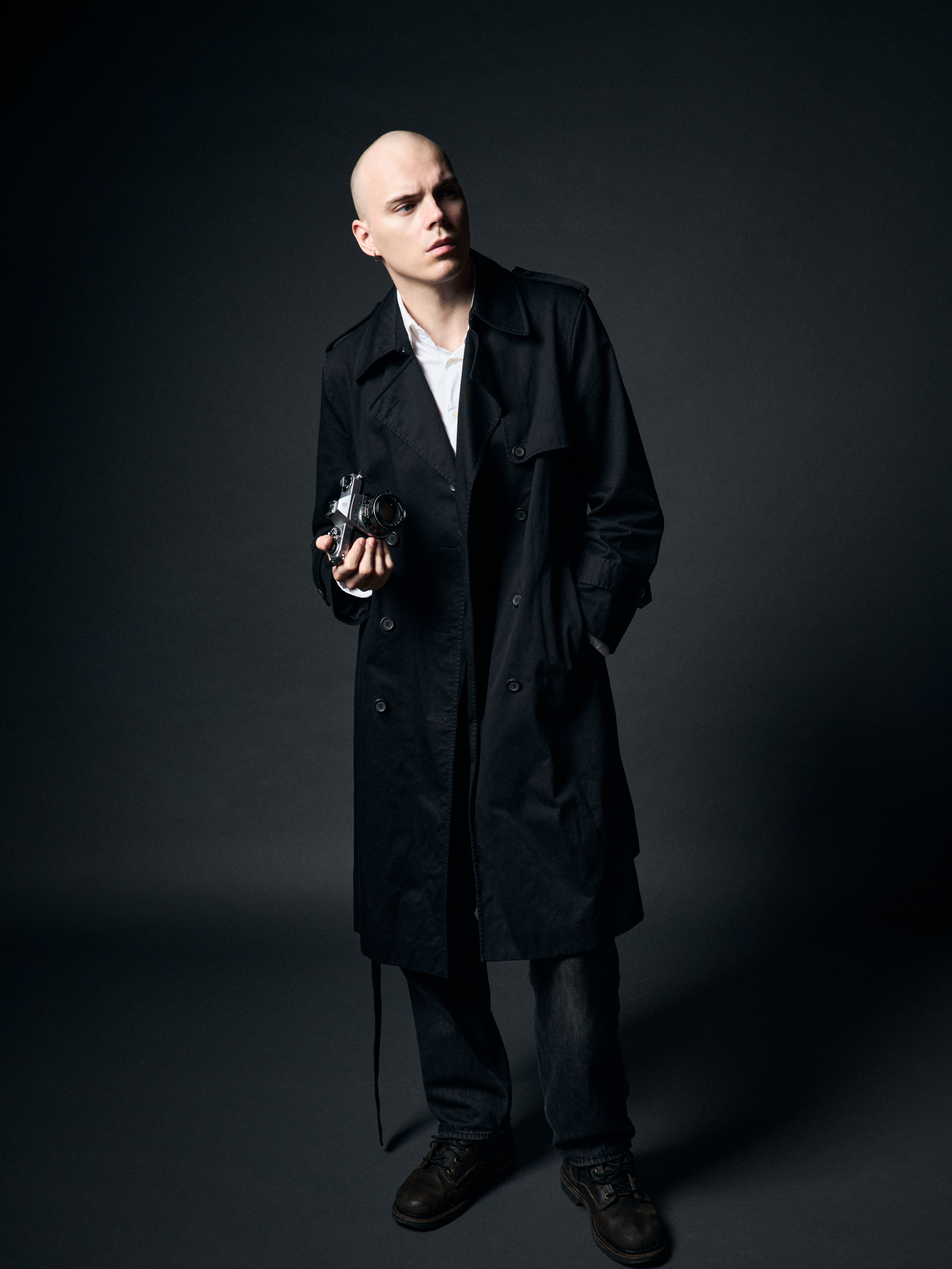
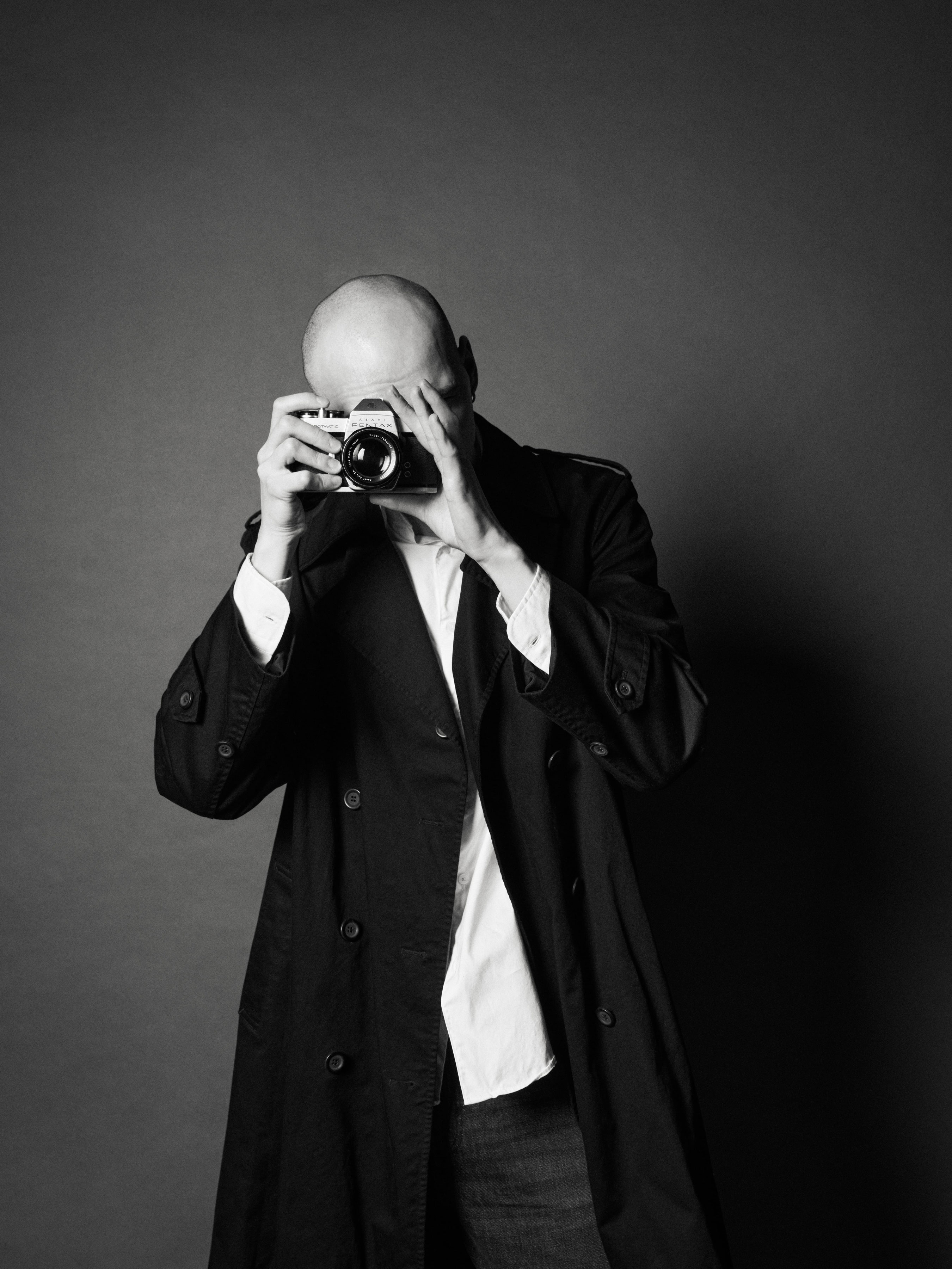
Choosing equipment is an important step — it’s the tool you work with. But it’s not 100% of success. Inspiration, composition, and personal skills are just as important. Most often I work with a digital camera and a 24–70 mm lens. At the same time, many of my photos are taken at focal lengths of 35 mm and 50 mm, because they help preserve a natural perspective. Another passion of mine is film photography. The Pentax Asahi camera with a 50mm f/1.4 lens gives a real sense of control over the process, since all the settings are manual.
Is the fashion industry different in Europe and the United States?
The European market is extremely demanding. Expectations for both models and photographers are very high, although there is still room for creativity.
In the United States, even though the world’s top models work here and entering the American market is already an achievement, the modeling industry is more open to different types of appearances and body shapes. People of different ages can appear on magazine covers. What matters here is commercial success and the ability to stay connected with the audience.
What would you like to try in the future: new genres, styles, or shooting formats?
Right now, the content creation industry, including fashion, is experiencing what I would call an “invasion” of AI. In my opinion, this will eventually create two directions: campaigns created with generated images and a return to classical analog photography.
I’m personally more drawn to the second one, because every frame captures a real process and genuine emotion. Moreover, when it comes to large-format printing, film cameras still have clear advantages.
You collaborate with an agency. What does this partnership involve?
Currently, I collaborate with one of the world’s top modeling agencies, Marilyn Agency. The company has offices in New York and Paris. Every day I create new model portfolios, polaroids, and test shoots.
My photographs are used by models for the biggest fashion weeks in Paris, New York, Milan, and London, as well as for securing contracts with major clothing and accessory brands. This work allows me to combine creativity with the practical needs of the fashion industry and to contribute to the development of a business in the United States.