
For decades, success in fashion depended on proximity.
Proximity to fashion capitals. Proximity to buyers. Proximity to manufacturers. Proximity to the networks that transformed creative talent into global brands.
The industry's geography shaped its opportunities. Creative talent could emerge anywhere, but the relationships, expertise, and systems required to transform that talent into a business were concentrated in relatively few places.
As emerging designers from regions such as Ukraine gain international recognition, a broader question is beginning to emerge: can technology help close the gap between talent and access?

Few people have had a front-row seat to that shift quite like Caro Porto.
Over the last decade, she has worked across retail, manufacturing, and global commerce, helping emerging brands navigate the path from creative recognition to commercial scale.
As co-founder of YOO, one of Colombia's first emerging designer retailers, she helped expand the concept internationally, opening its flagship store in Madrid and working closely with designers, manufacturers, and retail operators across Latin America and Europe.
Today, as founder and CEO of Modet, an AI-native fashion supply chain platform, Caro works with fashion companies to better understand how sourcing, production, and supply chain decisions shape growth. A graduate of Harvard University and now a Graduate Fellow at MIT, her work sits at the intersection of fashion, technology, and global commerce.
Through Modet, she has spent years studying how some of the world's largest fashion organizations approach sourcing, procurement, inventory management, and production planning, including organizations behind brands such as Zara, Bershka, and H&M.
Those experiences led her to a conclusion that runs counter to much of the industry's focus over the last decade.
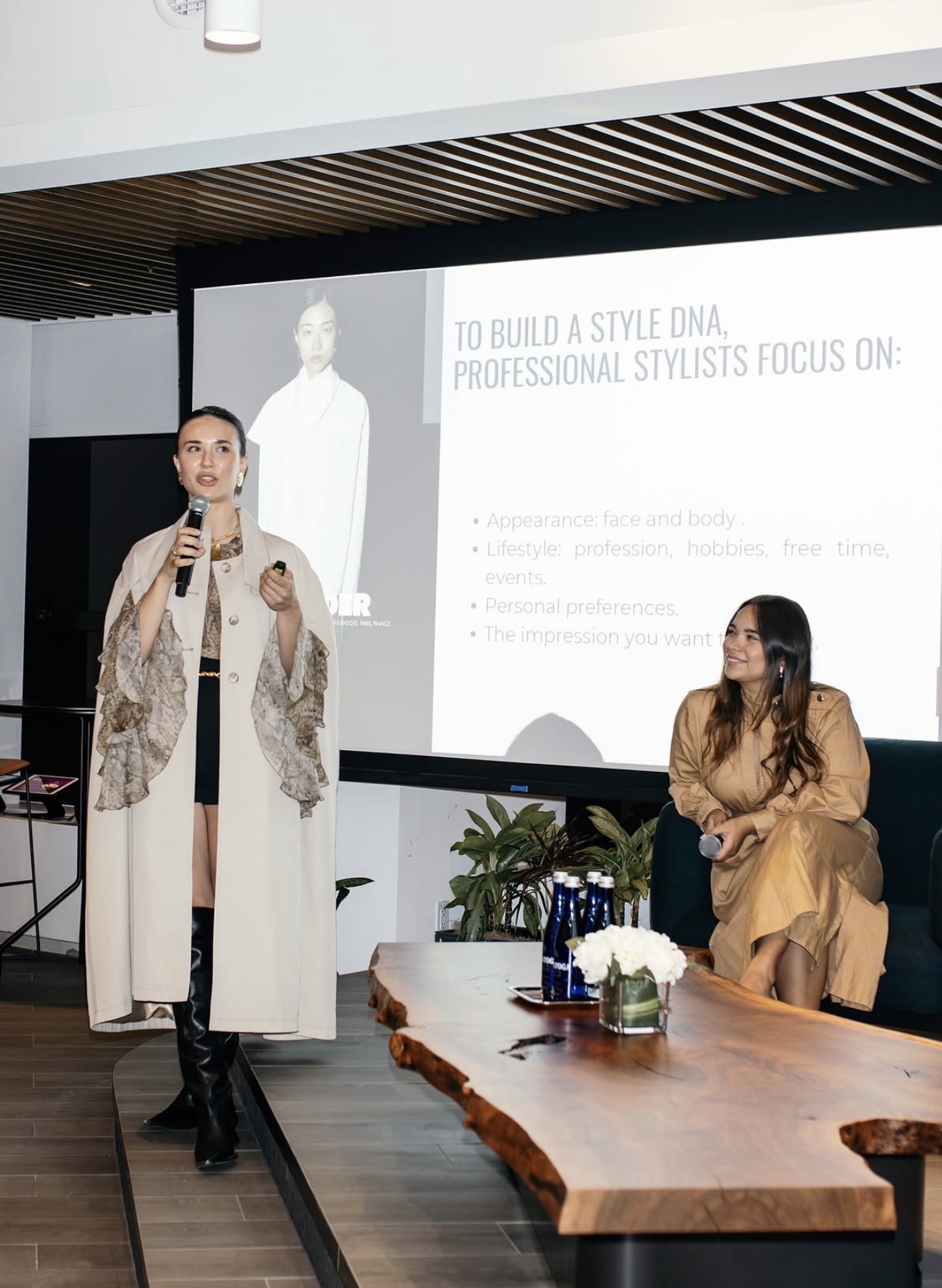
"The fashion industry has never lacked talent," Caro says. "What has historically been difficult to access are the systems that help talent scale."
In Caro's view, social media democratized visibility. The next challenge is access.
That perspective became particularly evident through her collaboration with Ukrainian fashion platform Mush. In 2024, Caro partnered with founder Anna Galebach to host Mush's first New York presentation, bringing together fashion and technology leaders around a shared vision: using artificial intelligence to make expertise more accessible.
For Caro, the event reinforced something she has observed throughout her career: some of the industry's most compelling creative voices are emerging outside fashion's traditional centers of power.
Having worked closely with designers across Latin America and Europe, she believes Ukraine is part of a broader trend.
"The next generation of influential brands may come from places the industry has historically overlooked," she says.

She believes the future of fashion may still be powered by creativity. But the brands that define the next decade will be those able to access world-class operational capabilities regardless of where they are based.
As the barriers between talent and infrastructure continue to shrink, the industry's next global success stories may emerge from places few people are watching today. The question is whether the industry is prepared to support it wherever it emerges.