Recently, the internet has seen increasingly intense discussions about the possible creative exhaustion of cinema: has everything worth telling really already been told? And have original themes given way to remakes, sequels, and adaptations of familiar stories? Against the backdrop of the growing popularity of franchises, reboots, and projects that can already count on an established audience, a legitimate question arises: is contemporary cinema lacking new ideas, or is it simply becoming increasingly difficult for the industry to take risks? We turned to representatives of international cinema to hear different perspectives on this debate. Those who shared their thoughts included Italian-Canadian producer Andrea Iervolino, directors Arya Moghaddam, Xackery Irving, Lorenzo Tiberia, Alessio Della Valle and Nicolai Tegeler. Is originality a matter of inspiration, financing, or courage? Can a well-known story acquire a new meaning through an author’s vision? And what does the film industry need today to create stories that do not merely repeat the past but help shape the future? The answers are in our article.
Andrea Iervolino
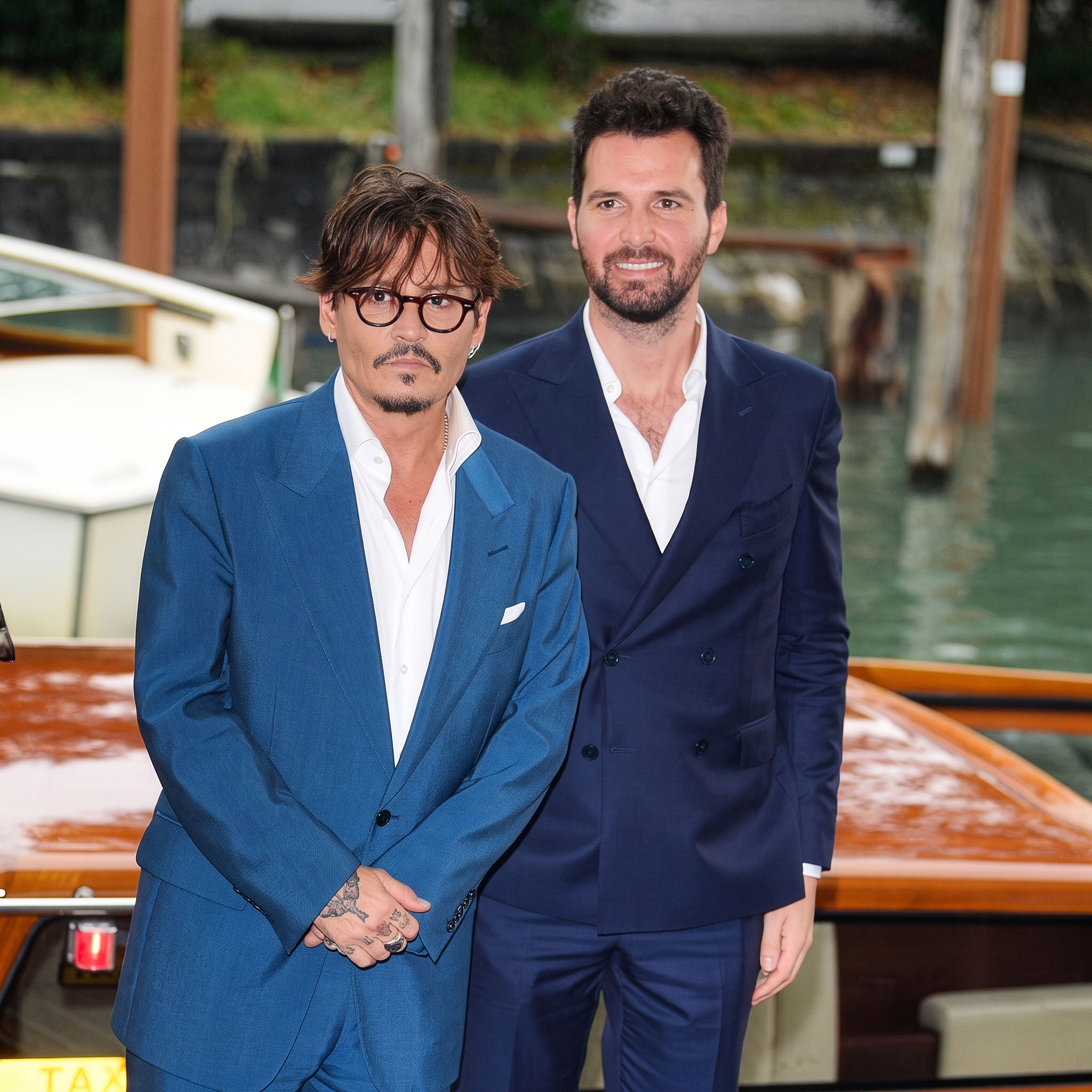
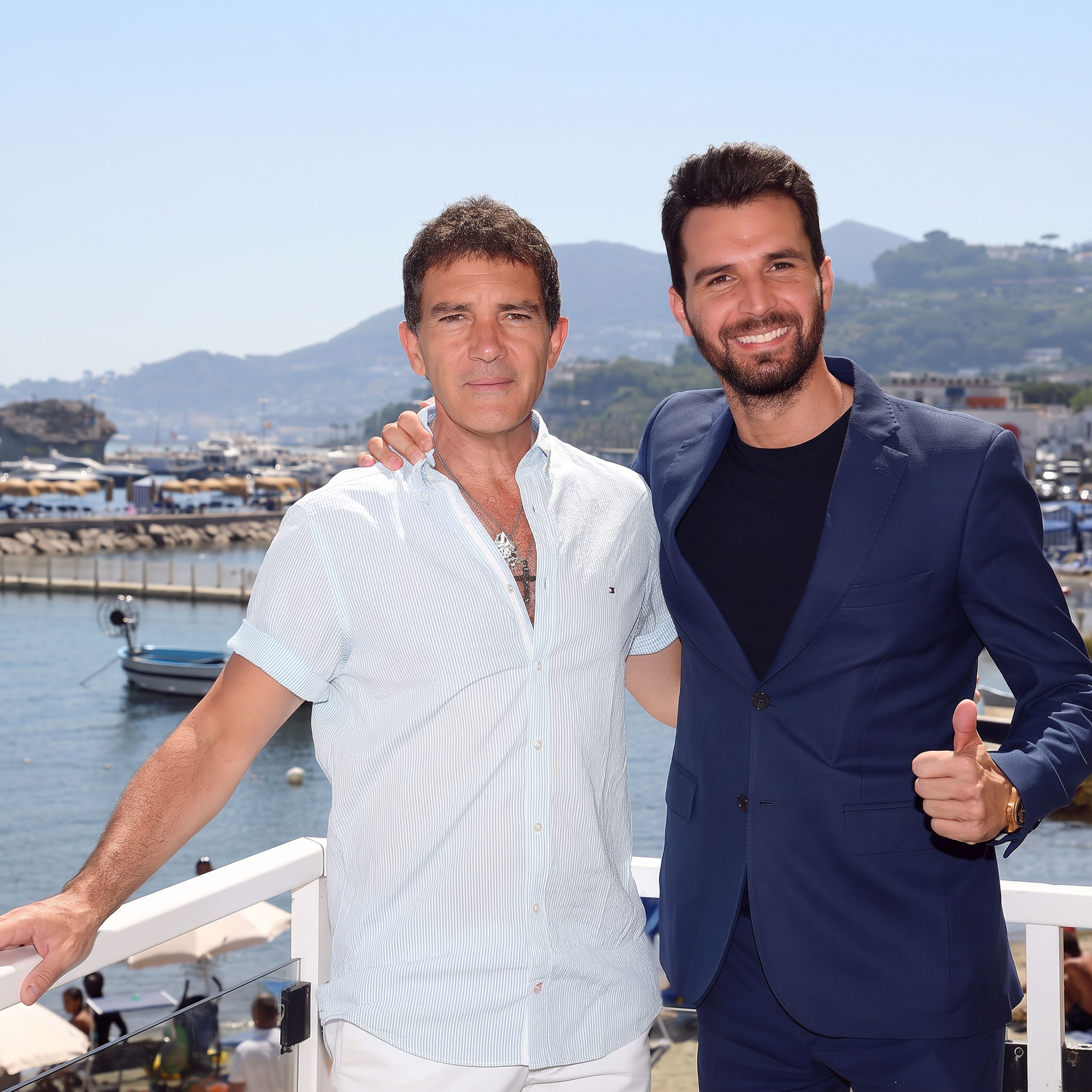
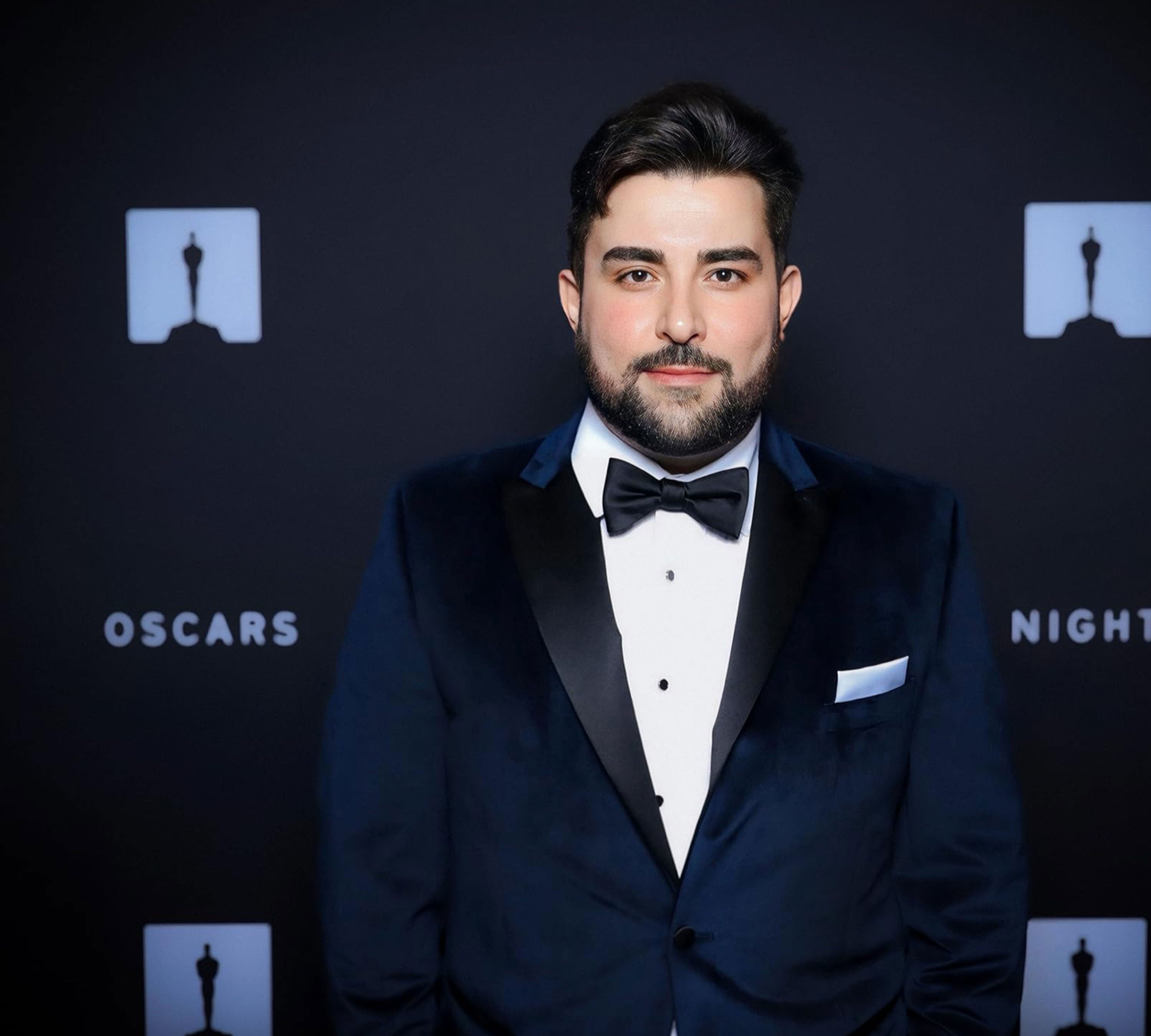
Andrea Iervolino is an Italian-Canadian film producer and screenwriter, as well as one of the most influential figures in the international film industry. He has produced more than 130 film projects, including Ferrari, Lamborghini: The Man Behind the Legend, and Waiting for the Barbarians. Among his most recent major projects is Maserati: The Brothers, which is preparing for international theatrical distribution. Despite his busy international schedule, Andrea found time to discuss the subject of our article exclusively with L’Officiel Ukraine:
Are we genuinely running out of original ideas in cinema, or is this perception a result of the dynamics of the contemporary film industry?
Ideas are not running out. Stories are the one resource humanity never exhausts. What has run short is the appetite for risk. A film is an expensive bet, so the industry buys familiarity to protect itself. But the real shortage is not imagination, it is horizon. For a century cinema has told stories inside the same world. When the stage itself expands, to orbit, to satellites, to new planets, the supply of original stories becomes practically infinite. At Space 11 I am investing in exactly this: the next frontier of entertainment will not be filmed only on Earth.
Why do audiences continue to be drawn to stories and characters they already know? How much do nostalgia, familiarity, and emotional connections to past works influence this?
Familiarity is emotional shelter. A known character is a promise: I will not waste your evening or your trust. Nostalgia is not weakness, it is memory looking for a home. But familiarity only opens the door. Nobody stays for a title, they stay for what they feel. And the audience that grew up on the great sagas is now ready for something new to inherit.
Does returning to previously told stories indicate a lack of creativity, or can it offer an opportunity to reinterpret universal themes through a new artistic and cultural perspective?
No. Every culture has retold its myths, and Shakespeare rewrote stories that already existed. Retelling is creative when it asks a new question of an old story. Imagine the oldest human themes, exile, home, survival, belonging, told by people who have actually left the planet. The themes are universal, but the perspective would be one humanity has never had before.
In your opinion, what space remains for truly innovative ideas in cinema today, and what conditions are necessary for them to find their place in the film industry?
More than ever. In an infinite catalogue, the only thing that stands out is a distinctive voice. Innovation needs three conditions: financing models that spread risk, such as international co-productions, tax incentives and new partnerships; creators who keep their vision; and technology as a tool for authors, not a substitute for them. My prediction: within a generation, entertainment will be created, distributed and even experienced beyond Earth, and the industry will understand that originality was never the opposite of commercial success. It was its source.
Arya Moghaddam
Arya Moghaddam is a director, screenwriter, and producer based in Los Angeles, working on projects at the intersection of cinema and music videos. Among his best-known works are the award-winning short film First Day (2021), the thriller Ambulance (2018), and the science-fiction fan film Star Wars: Destroyer (2017). According to IMDb, his professional portfolio includes five wins and one nomination. Today, he is developing his own creative voice in international cinema, reaching millions of viewers around the world. Arya also does not believe that there is a shortage of original ideas:
“Human experience is far too complex for that to happen. What we are witnessing today is a lack of willingness to explore these ideas. The film industry is becoming increasingly focused on predictability. A familiar story creates the illusion of financial security, whereas an original idea requires a certain degree of faith. And faith cannot be calculated in a spreadsheet. There is also a misconception about what originality actually means. Every artist is influenced by someone. Shakespeare borrowed plots. Kurosawa borrowed from Shakespeare. George Lucas borrowed from Kurosawa. The question is not whether the idea has existed before, but whether the director has something genuinely personal to say about it. I think audiences return to familiar stories because certain aspects of human nature remain unchanged. Fear, ambition, jealousy, love, mortality. These are universal human experiences. Only our understanding of them changes. The real danger lies not in repetition, but in the absence of a personal perspective. A director can tell a story that has already been told a thousand times and still reveal something extraordinary. Conversely, an entirely new concept can turn out to be completely uninteresting if there is nothing behind it.”
Xackery Irving
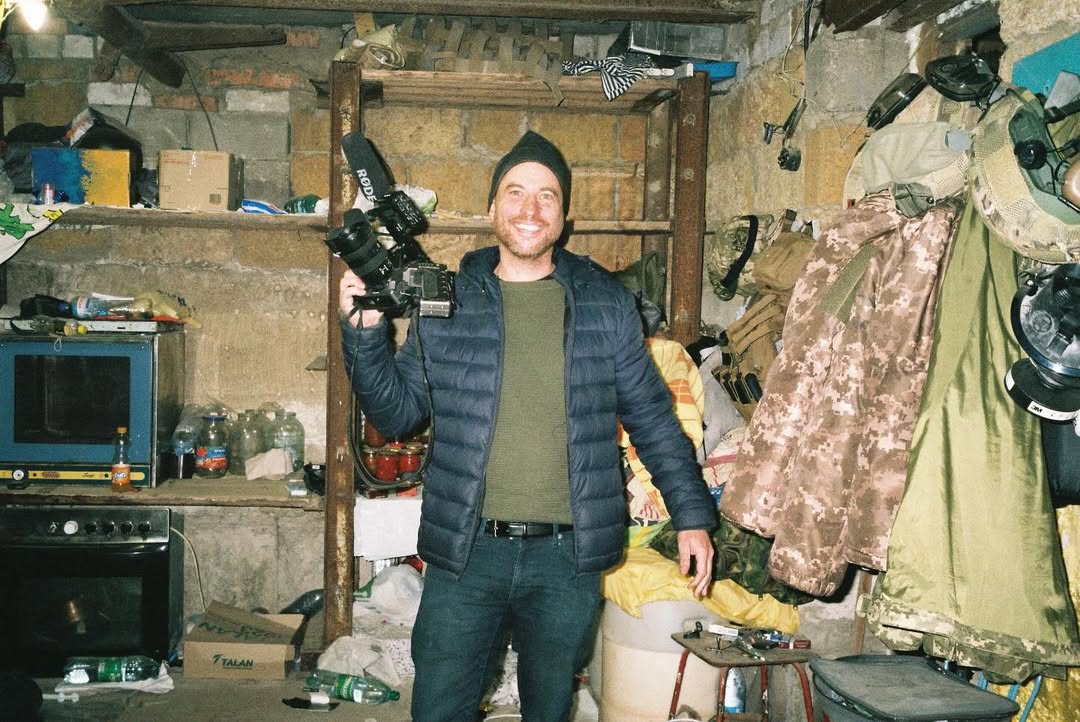
Xackery Irving is an American director and producer. Over the course of his career, he has contributed to the creation of a number of documentary and television projects, including The First 48, Pawn Stars, Dual Survival, and Dallas SWAT. His professional achievements have been recognized with the Roy W. Dean Grant and the Carole Joyce Award for excellence in documentary storytelling. A special place in his work is occupied by the documentary film Brace For Oblivion (2026), which the director worked on for almost four years, filming Ukrainian defenders and documenting their lives and experiences during the full-scale war. The film had its world premiere at the Galway Film Fleadh in July, where it won the Best International Documentary award. In September, the film was presented in Ukraine at a special screening of the Odesa International Film Festival in Kyiv. The screening concluded with a standing ovation and an emotional discussion involving the film’s protagonists and the Ukrainian audience. According to the director, ideas come from everywhere:
Are original ideas in the film industry really running out, or is this impression a result of the dynamics of the contemporary film industry?
I am not sure that we are running out of original ideas, but familiar stories are easier to sell and resonate with audiences more quickly than original material. As we know, a reboot of a franchise built around intellectual property (IP) can fail just as easily as a genuinely original film. Our industry has contracted, but decisions about what is offered to audiences today are driven by fear and an unwillingness to take risks more than ever before. Films released theatrically are commercial projects, and no studio wants to lose money. But we, independent filmmakers, live by taking risks and grow through them. This is precisely how we create films that speak to audiences in new and original ways. This is how we challenge audiences, and this is how the familiar can begin to feel stale. People respond to stories. To good stories that resonate with audiences on a level that goes far beyond the spectacle of superhero multiverses. What audiences are looking for is a depth of humanity.
To what extent do nostalgia, a sense of familiarity, and an emotional connection to previous works influence this?
Familiarity immediately establishes a connection with audiences. Nostalgia awakens a powerful emotional connection, but our inclination towards familiar stories has roots stretching back thousands of years. Cinema is a visual form of mythological storytelling. Just as the Greeks and Romans wrote poems, created sculptures, or staged plays based on stories passed down from generation to generation, filmmakers can draw on this ancient connection — the collective unconscious. Exploring this foundation and developing it further can create deeper stories with nuances that border on genius. A new approach to an old story can be epic and even timeless. There is something deeply human about returning to familiar characters and stories, discovering something new in them, and experiencing them through the perspective of another generation.
Does returning to stories that have already been told necessarily indicate a lack of creativity, or can it become an opportunity to reinterpret universal themes through a new artistic and cultural perspective?
Returning to stories that have already been told in one form or another can give filmmakers a point of reference within an established structure, opening up new approaches to visual and dramatic storytelling. This is precisely why directors love experimenting with different genres. Another artistic or cultural perspective can reveal something entirely new in a familiar story. Developing an already established foundation can lead to creative and multifaceted interpretations that impress with their brilliance. But it can also limit experimentation and the full range of creative possibilities. An established structure can serve as a foundation, but at the same time, it can become a limitation. Ultimately, everything depends on what the director brings to the story through their own imagination, experience, and creative voice.
In your opinion, what room is left today for truly innovative ideas in cinema, and what conditions are necessary for them to find their place in the film industry?
They say that there is nothing new under the sun, and that the most original idea is a reflection of something that has already been done before. But innovation and originality are the result of self-confidence and an awareness of existing conventions. The key to success is to develop your own creative voice, refine your craft, and watch as many films, paintings, and theatrical performances as possible. Draw inspiration from the world of creative expression and pay attention to what resonates with you. Turn to centuries of creative heritage in as many forms as possible — and allow it to pass through you into your approach to screenwriting and directing. I am an independent filmmaker, and two of my films are documentaries. Even in nonfiction cinema, the way I build layers into my films, although they are accurate records of reality, is based on the narrative structure of other established and respected documentary and fiction films.
I spoke about this in August at the Film School of the Odesa International Film Festival. Independent filmmaking is a constant search for what you can do with the resources you have and the creation of conditions in which you can grow and succeed. Innovation requires the freedom to take risks, the confidence to follow your own vision, and the perseverance to bring that vision to the audience. We have to create these opportunities for ourselves, especially if we are independent filmmakers.
Lorenzo Tiberia
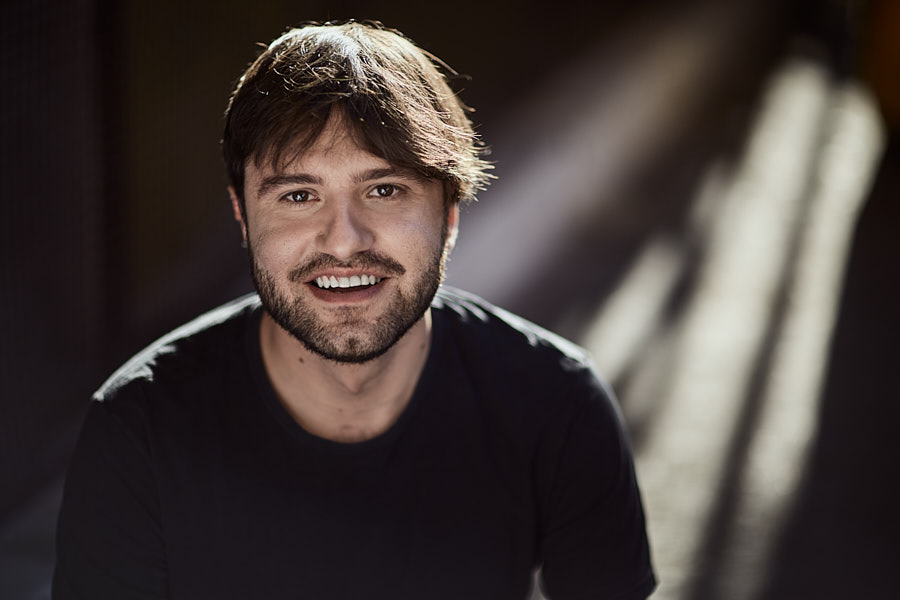
Lorenzo Tiberia is an Italian director, screenwriter, and actor. He is the founder, creator, and performer of the popular web group Actual. His body of work includes projects across various genres, demonstrating an interest in human stories and contemporary culture. Among them are the film La regina si addormenta dove vuole (2019), which won ten awards at international film festivals, and Tutù (2021), an award-winning film about the world of ballet and the struggle against anorexia. In 2023, Tiberia took part in the creation of the feature-length comedy Gli attassati in collaboration with Vision Distribution and Amazon Prime Video. Among his more recent works is the series Almost Love (2025), in which he served as director and screenwriter and also played one of the roles. According to Lorenzo, the willingness to take risks for the sake of original ideas is currently declining:
“Making films is expensive, and they compete with more content than anyone could possibly watch. When there is too much choice, people prefer what they already know, so a familiar title seems like a safer choice because half the marketing work has already been done. Streaming platforms also rely on data, but data can only tell you what worked yesterday. At the same time, returning to existing stories is by no means a new phenomenon. Romeo and Juliet, long before Shakespeare made the story his own, was an Italian novella. The problem is not returning to a story. The problem is returning to it without a reason, simply because its title sells well. I have nothing against remakes. A Fistful of Dollars is essentially Akira Kurosawa’s Yojimbo transferred to the Wild West, and yet it is still pure Leone. What matters to me is having a personal reason: something this story can say today that it could not say before. I am much less interested in sequels that exist solely because the first film made a profit.”
Alessio Della Valle
Alessio Della Valle is an Italian director and screenwriter who gained international recognition with his feature film debut, American Night (2021). The film stars Jonathan Rhys Meyers, Emile Hirsch, Paz Vega, and Jeremy Piven. A separate professional achievement for the director was recognition by the American Academy of Motion Picture Arts and Sciences: the screenplay for American Night was included in its permanent collection, where it will be preserved for future generations of filmmakers to study and research. Before working in feature films, Della Valle created advertising campaigns and music videos for international brands, collaborated with Disney, Fox, MTV, and RAI, and also worked on documentary and artistic projects. His creative activities extend beyond cinema to include painting, photography, music, and theatrical productions. His perspective on whether original ideas for films are running out is as follows:
“Original ideas have not run out. On the contrary, there are countless of them; the problem lies in the ability to bring them to life. There are many people with ideas as tall as skyscrapers, but then that skyscraper has to be built and constructed. Cinema often offers familiar stories again because they have what is called a built-in audience — an audience that has already been established. There is undoubtedly a need for new stories. After all, people love listening to stories — it is a human trait in itself: someone telling a story under the starry sky, by a campfire. Great stories have the power to change the world. Just like great novels, great cinema can do the same.”
Nikolai Tegeler
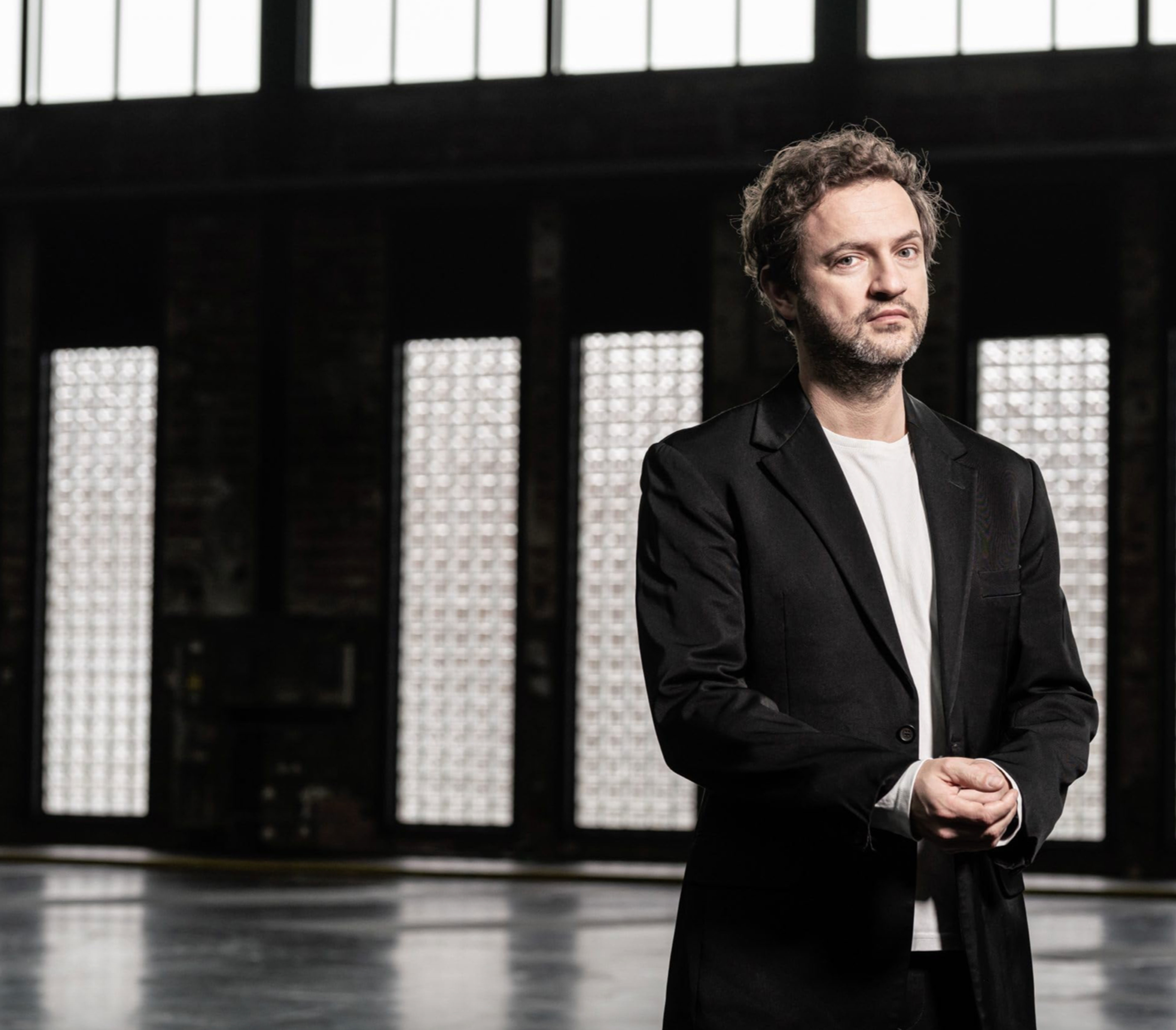
Nikolai Tegeler is a German actor, director, producer, and screenwriter who works in film, theatre, and television. He gained popularity through his roles in the German television series Alarm für Cobra 11 and Gute Zeiten, schlechte Zeiten. Tegeler is the co-founder of the Berlin-based production company iLikeStories GmbH. His directorial works include the feature films Ediths Glocken (2016) and Zu den Sternen (2020), the latter of which participated in international film festivals and received several awards. Tegeler shares his colleagues’ views:
“I do not believe that we are running out of original ideas. In my opinion, finding financing to bring them to life is a much bigger problem. A familiar title, book, or franchise offers audiences an understandable starting point and makes it easier to present a project to investors and distributors. Recognition can create a sense of confidence, although it never guarantees success. There is also something deeply human about returning to stories we know. We return to them because their meaning changes along with us. The important question is whether a new version has something of its own to say to the audience. Personally, I enjoy working with existing material when there is a clear artistic reason to return to it. For example, in my theatrical work, I return to the play Jedermann, looking for ways to make its questions about wealth, responsibility, mortality, and compassion relevant and meaningful to contemporary audiences. For me, an adaptation must offer its own perspective rather than simply reproduce what already exists. What does this story mean today? Why should I be the one to tell it? These questions are just as important when working on the creation of an original film.”