French-Belgian architect and urban planner Martin Duplantier designs buildings around the world, but his connection to Ukraine has long extended beyond purely professional interest—ranging from conceptualizing the new Maria Prymachenko Museum in Ivankiv to a deep admiration for Ukraine’s life-affirming energy. In our interview, we discuss how architecture shapes taste, why the West should learn from Ukrainians the art of finding a way out of any situation, and wherein lies true, unvarnished beauty.
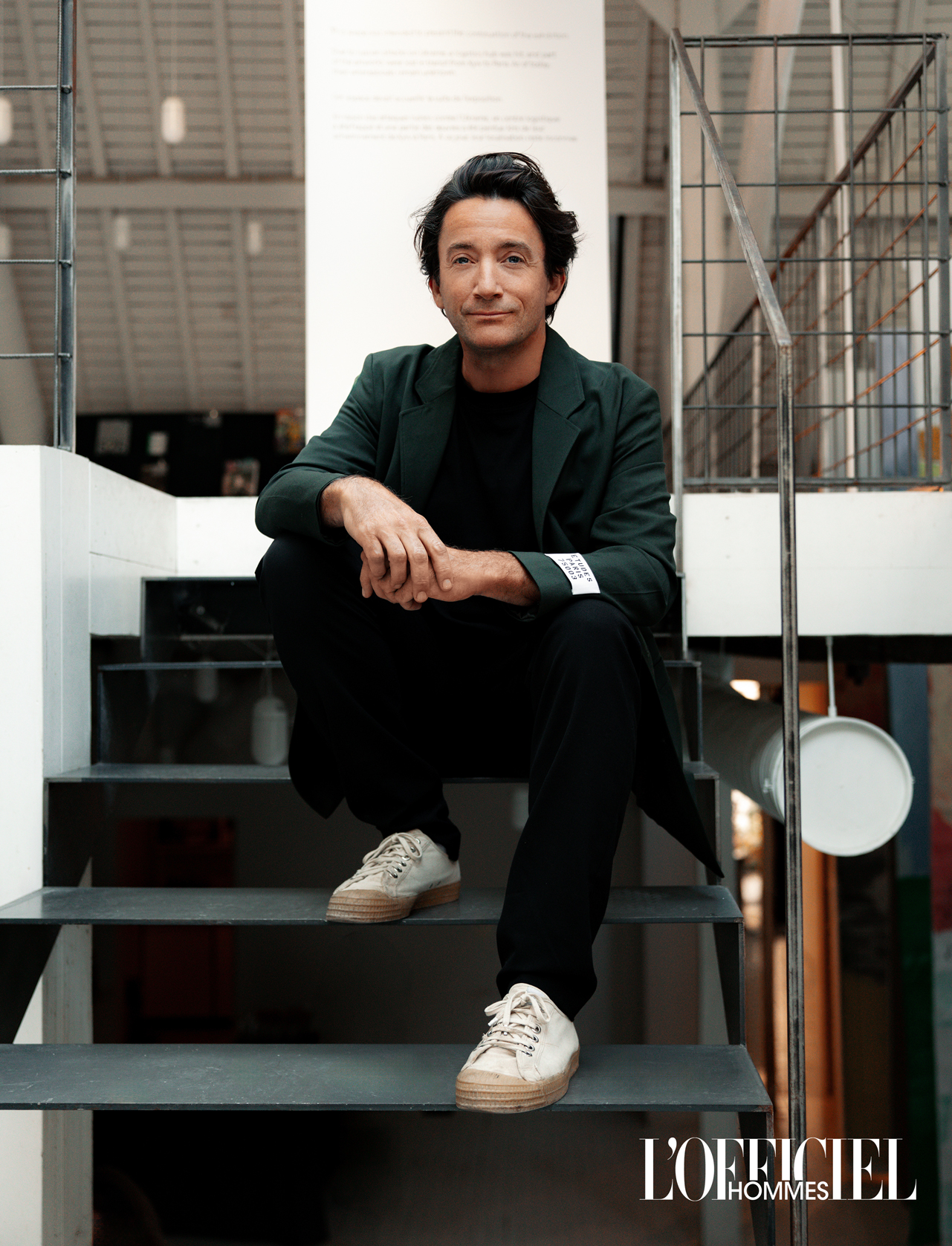
Your practice works across many countries, yet your connection to Ukraine has long outgrown that of a single international project — you teach here, work with Ukrainian cities, and keep returning. At what point did Ukraine stop being just another point on your professional map?
Ukraine was from the start very special to me. I was very impressed by the Maidan movement, and by the young, creative and cultural outburst that Kyiv and other cities were going through. Both its political — and by this, I mean in its first meaning, polis being the city in Ancient Greek — and cultural side were points of interest, and I saw the immense potential of the country when, in the West, clearly nobody was looking at what was going on here. Besides the fact that my kids have roots here, it is the energy that this country and its people have that makes me so attached to it. When I say energy, I mean the emotions, the lust for freedom, the will to retrieve its roots, and the love for this land of the river and of the Carpathians.
You're French, and French culture has undoubtedly shaped your perspective. Does it ever happen that when you return to France, you find yourself looking at it a little through “Ukrainian” eyes?
First, I am French and Belgian: that makes a bit of a difference as I also have the perspective from a much smaller (and multilingual and complicated) country like Belgium. But yes, zvychaino, Ukraine has had a huge impact on the way I look at the world. My Ukrainian heart and eyes would not let me do otherwise. Every sound of a motorcycle, every smell of dill, of beetroot, but also every geopolitical event, or even the level of service in a Parisian restaurant: Ukraine has changed the way I perceive things. And it is also very true when I look at the problems that the West faces: the Ukrainian creative “débrouillardise” as we say in French (resourcefulness in English, but it’s not as vivid) is an incredible approach that the West should learn from.
You grew up moving between different cultural contexts, studied business, architecture and urbanism, and have worked in many countries. Do you feel today that your identity as an architect was shaped precisely at the intersection of these experiences — or is there still something in you that you would unmistakably call French?
I strongly believe that, just like a tree, you need to know your roots and avoid being cut off from them. This gives you the ability to project yourself in many ways and dimensions, to mix and shape your own identity. If my geographical roots are mostly set in the southwest of France and in the east of Belgium, my family has gone through a complicated and non-linear path, from Congo to Argentina, Germany, etc. It always gave me a sense of plurality and that one can belong to different cultures.
As an architect, it is essential to melt into the context and understand the local issues and culture. But I remain a European architect, with European eyes. I am now starting a project in the Caribbean, and I look forward to working with the last indigenous tribe of the region. I try to create cultural bridges and enhance the specificity of the place and its identity rather than copy-pasting global standards. We architects have this duty to encourage plurality, create through a contextual approach, and avoid this generic global mayonnaise that big studios and AI tend to promote.
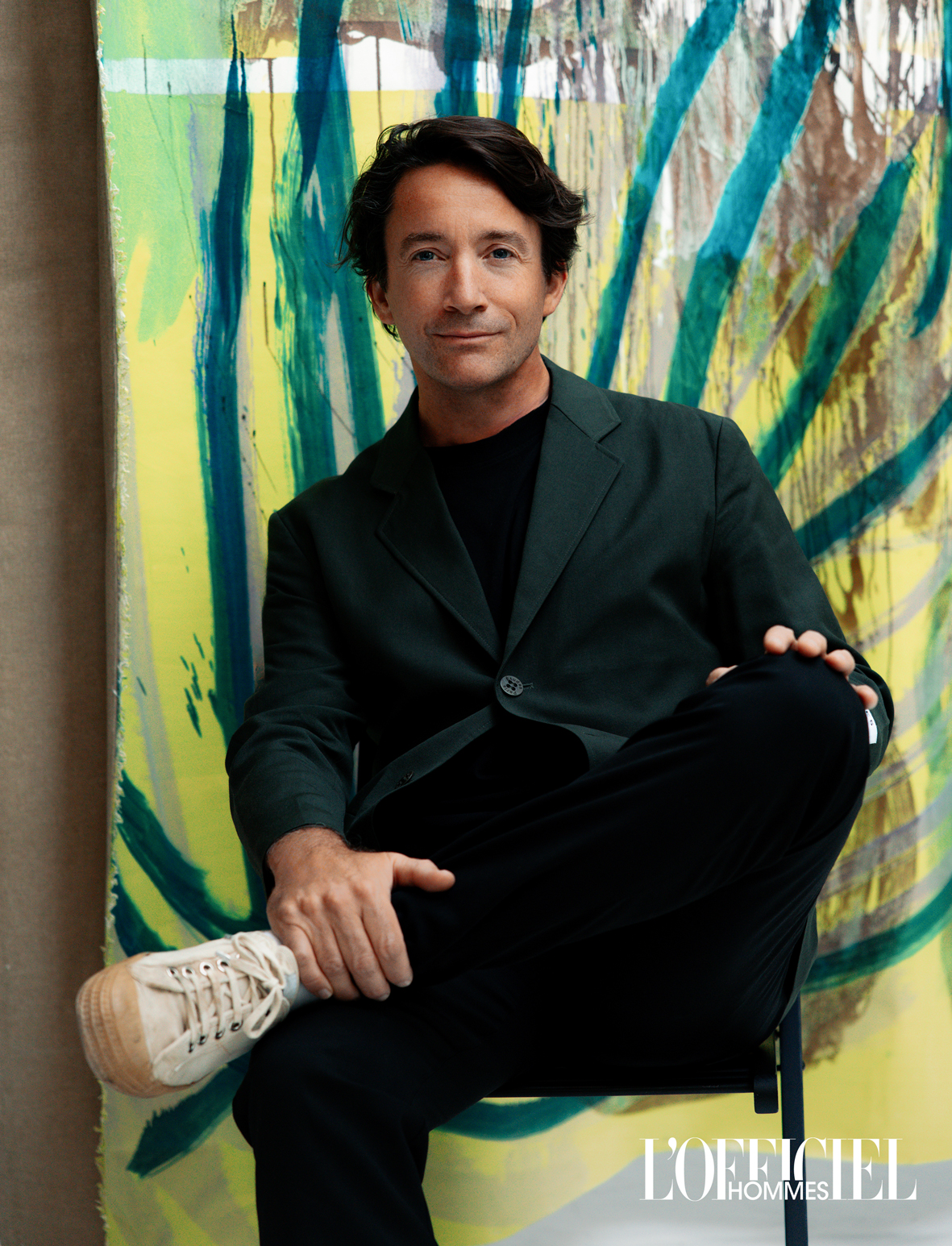
In your work you speak a great deal about context — the idea that architecture should be born from a specific place, its materials, its history and its way of life. How far does this same principle hold true for personal taste? Do you think it's possible to separate what we like from the places we've lived in?
That’s a good question. I’ve had the chance to live in different contexts and places. I come from an architectural family, where taste was educated through family trips, drawings, discussions… and building our own homes, in very different ways, according to the place: from a Greek shepherd’s cabin in stone to a Miesian (from Mies van der Rohe) beach shack in the woods.
About the power of architecture over the people living in it, my answer would be “yes, you can separate what you like from the places you’ve lived in”, because you can educate your taste all your life, mix your experiences, travel, discover, observe. And taste evolves. But of course, your home also gives you a basis that you either like or dislike, depending also on the people you share this space with.
You've travelled and worked across very different cultural contexts — from Europe to Africa and Asia. Was there an experience in your life that fundamentally changed the way you see beauty?
There is beauty everywhere. Ukraine is full of it. It’s often just a question of unveiling it.
I went to live in the Sahara desert, in Niger, to build schools and other community buildings with Tuareg tribes. The only material we could use was below our feet: rammed earth. Before going to Niger, we had been attending a training to learn a very old building technique from Nubia, in the south of Egypt. The idea was to build a school and to train workers in the Sahara to get this new skill, called the “Nubian vault”. It enables building spaces just with rammed earth bricks and without scaffolding.
When I arrived at the place in the desert, our group had to dig a hole in the ground to get water, and we brought our food with us for the entire construction process (cans, but also live animals). We slept on camping beds and worked from 6 am to 6 pm under the heat. Tough conditions, incredible setting. The result was fantastic: a building the color of the earth, with an inner room at 25°C all day and all night, when outside temperatures ranged from 10°C to 50°C. Its construction cost was only €1,000. I understood that beauty is both the journey and the result. That it can be very simple; it doesn’t need superficial artifacts. Beauty goes beyond the aesthetics of things. It is the inner embodied beauty that matters.
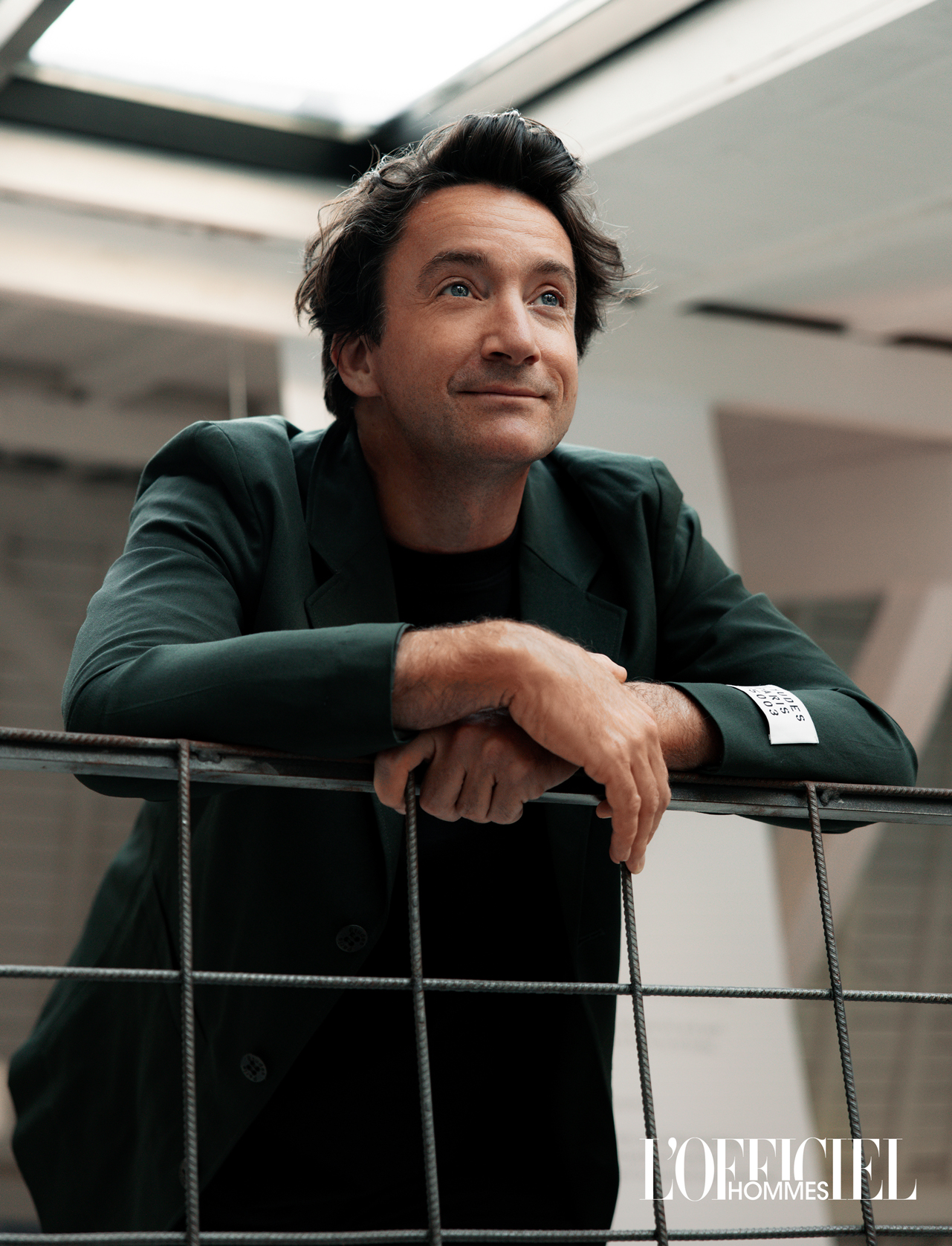
In your work you're constantly creating spaces for other people. What kind of space makes you feel most like yourself?
Simple, generous and open to nature. My Greek summer cabin is probably the space where I feel most like myself. The connection to natural elements, the freedom of movement, the expansive view of the sea.
But foremost, it has an experimental setting: only the 4 bedrooms are indoors. All the rest is outside (kitchen, living room, bathroom, toilets, etc.), which makes it very peculiar. We live outside the whole time, under a large pergola. This is only possible because it is in the Cyclades and in the summertime, but it’s so much fun! For kids too. This summer our photovoltaic installation was out of order, so we spent one month with candles as our only light. Total disconnection and full reconnection to nature. I can tell you that it was even funnier, and the memories will remain!
If you had to choose one song, book or film that describes you most accurately as a person, what would it be, and why?
I would say The Garden of Eden by Hemingway, where characters travel through contrasted environments, from beautiful hotels to wild beaches, creating art along the way and experiencing raw, almost pagan rituals. It also takes place in my home region of the Basque Country, which you should definitely come to visit!
You're currently working on the concept for rebuilding the Ivankiv Museum of Local History, which before the full-scale invasion held the works of Maria Prymachenko. When did you first encounter her work — and what struck you about it?
I first saw her works in books, way before the full-scale invasion. But I had not been to Ivankiv when the small museum was still standing. These colorful characters and animals, this naive way of expressing such energy, a rough and direct beauty — I immediately fell in love with it. It also appeared to me that it was deeply connected to Ukrainian vernacular art and architecture, which is an immense source of inspiration.
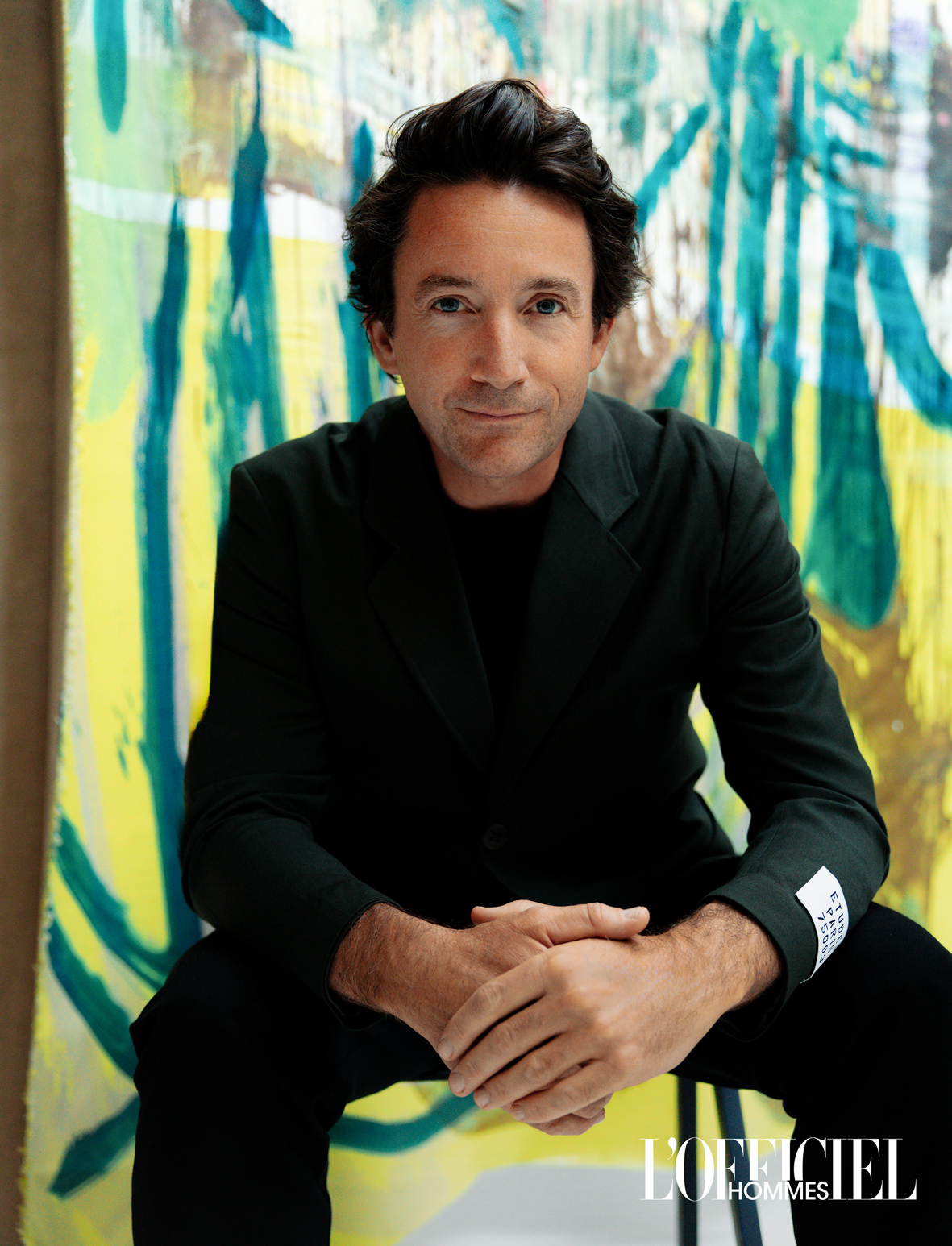
Maria Prymachenko's visual language is so instantly recognizable that any attempt to build a space around her legacy risks either quoting it too literally or, conversely, distancing itself from it entirely. How do you look for a balance between these two extremes?
The architecture of a museum should not try to attract too much attention. It is there to put an emphasis on the artworks, and possibly on the surroundings. It should enable a fluid experience for the visitors, function well for the team managing it, and allow the local community to hold events.
We propose an architecture that reactivates historical materials and building methods: Ukraine has lost its timber construction tradition, and we want to bring it back for public buildings. The same goes for structural stone walls. We want this project to be a pilot and showcase a continuous Ukrainian identity through a contemporary architectural language. And it's quite clear when you look at the project that the view to the forest and the river will be enhanced. Just like at the Louisiana Museum in Copenhagen, this Ivankiv museum will attempt to bring visitors through the landscape and history of a place and its artists.
When an architect works with a cultural legacy this powerful, where does the line fall between your own authorial voice and the need to step back and let the material speak for itself?
I am quite clear about where the line should fall. A museum is a space for art, built in a certain context. So it should serve the quality of the exhibitions, the visitors' experience, the back of house, etc., as well as be integrated into a context. Here in Ivankiv, the museum is set in a beautiful park facing the Teteriv River. It was not hard to express the qualities of the site, its topography, and give access to a generous view of the valley while hosting the artworks in a protected part of the building.
Has getting to know Maria Prymachenko's work changed anything in your own understanding of beauty?
Ukrainian countryside beauty, for sure, deserves more attention and care! I believe it will get more and more popular to restore old khatas, with nice vegetable gardens, beautiful wooden fences… If we do not do this, rural Ukraine might disappear even more, and it would be a great loss.
Working in Ukraine, you often speak about the need not simply to rebuild what's been destroyed, but to create new centres of gravity for life, education and culture. If tomorrow you had the chance to realize any cultural space in Ukraine with no constraints at all, what would it be — and who would it be for?
Architecture exists through limits and constraints, so it’s hard to say. But if I could, I would try to repeat the Brazilian experience of SESC buildings: they mix education, health, leisure, culture and medical care areas in one building. They’ve become urban catalysts, and address all communities as it’s free and non-profit. São Paulo has got amazing examples in all districts of the city, designed by architects like Lina Bo Bardi or Mendes da Rocha. Ukrainian youth and society in general have an incredible energy, and such places could enhance these dynamics in all cities of the country. I believe it also serves democracy by giving access to healthcare, culture, leisure, and economic incubators.
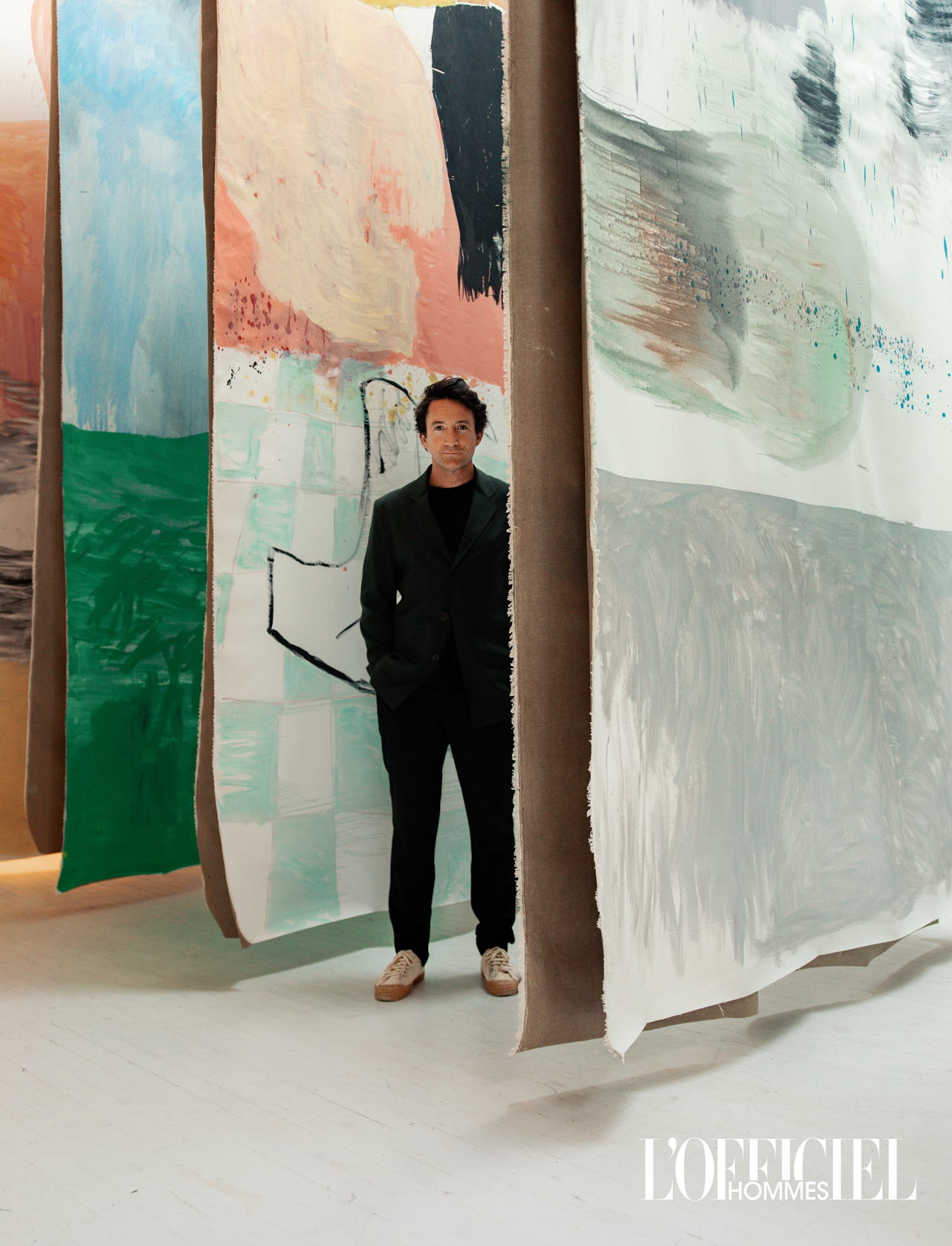
You're as much an urbanist as an architect, and you often speak of Ukraine not only as a country that needs rebuilding, but as a place where fundamental questions about how we want to live can now be asked anew. How do you think Ukrainians' idea of a good city will change twenty years from now?
The shift of the last 30 years — from a Soviet planned city (functional, monotonous, and organized by clear zones like sleeping, working) to a chaotic city as we currently experience it (with little or no regulation, excesses in speculation, lack of infrastructure, lack of anticipation) — motivates us to find the right balance: between regulation and organic growth; between dialogue and planned decisions; high ambitions for Ukrainian cities and the reality of the market.
We all know that the time of reconstruction is to come and will take time. With my team, we try to anticipate coming challenges, whether it is depollution, recycling, or building a renewed Ukrainian architectural and urban identity. By activating local and biobased materials like wood or straw, by setting up new energy systems like geothermal, by reconnecting cities with their geography and landscape, we propose a very strong roadmap that we can adapt to every situation.
I see the Ukrainian city of tomorrow as a repaired city: more inclusive, of course; greener and connected to the countryside; where old buildings are adapted, renovated and reused; a city that is at the avant-garde of adaptation, and that leaves room for creativity, culture and affordable real estate. But this all depends on the shift of our current aggressor, as we might need to add the term “fortress” to the qualities of these Ukrainian cities. Last but not least, demography will be key in urban dynamics.
If Ukraine can teach Europe something today about resilience, solidarity, and the capacity to keep living under constant danger, what would you like Europe to learn to see in Ukrainian cities twenty years from now?
We live in an unstable world, whether this instability is geopolitical or climatic. Adaptation to these chronic crises is necessary, and Europe will learn a lot from the innovations and strategies that Ukraine will set up during this reconstruction period. But I still want to highlight the fact that reconstruction can also be the worst pages of architectural history. In France, we are still trying to correct the mistakes we made in the 50s and 60s during reconstruction.
What I want to say is, we should require that decision-makers be aware of the dos and don'ts, and understand what is at stake. A country does not have many opportunities to build a new heritage for the centuries to come. Our collective responsibility is high, and this long-term awareness is key to the success of the country.
I will remain committed to assisting and helping as much as I can.
Hero
Martin Duplantier (@martinduplantierarchitecte) — French architect and urban planner, founder of the international architectural practice Martin Duplantier Architectes.
Agency
Martin Duplantier Architectes (@martinduplantier.architectes) — French architectural firm with offices in Paris and Bordeaux, specializing in large-scale revitalization projects, sustainable architecture, and urban development.
Foundation
Architecture 4 Ukraine (@arch4ua) — a humanitarian and initiative platform created to support the restoration and reconstruction of war-damaged Ukrainian cities by engaging the international architectural community.
Location
Kolo Community Space (@kolo.community.space) — a cultural and art space in Paris bringing together Ukrainian artists, the creative community, and international cultural initiatives (shoot location).